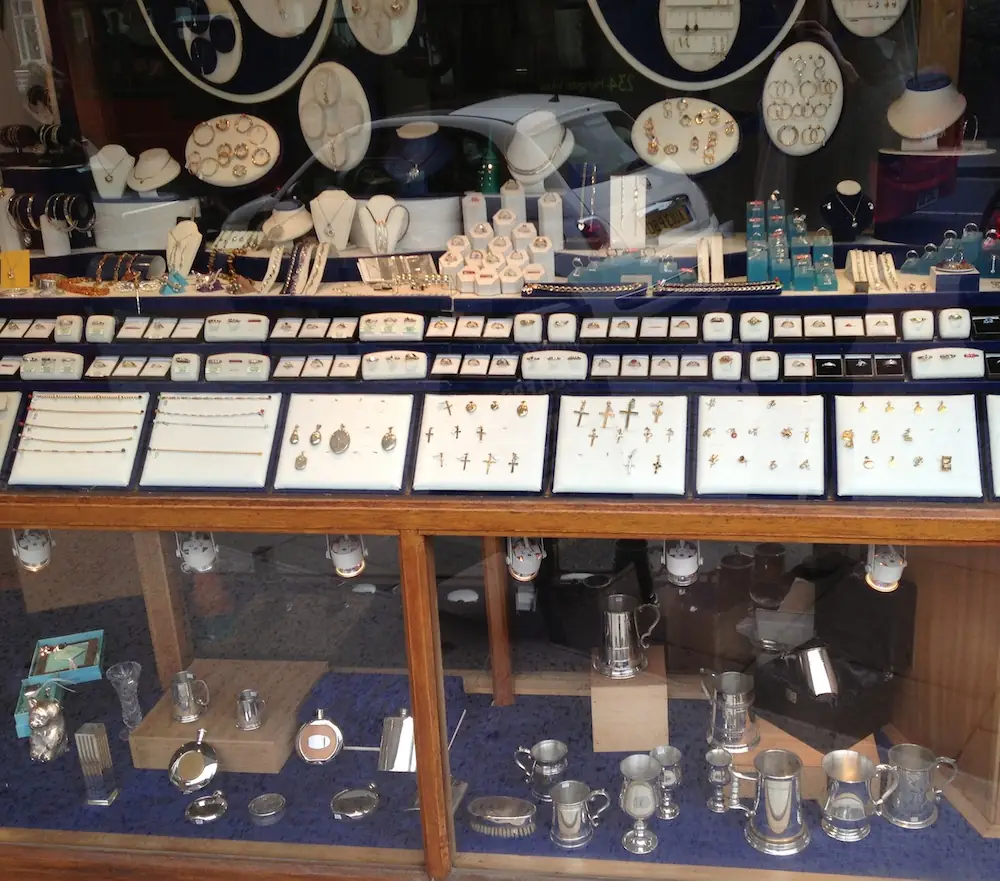
- Beginning inventory plus purchases, minus ending inventory, is the usual path to cost of goods sold.
- Finished pieces you still have at year end belong in ending inventory.
- A simple year-end count is enough if you keep it consistently.
A count you can actually finish
At year end, count unsold finished work and the materials you still have, at what they cost you. Add that to last year's ending number as this year's beginning inventory. Purchases during the year go in the middle. The IRS explains cost of goods sold on Schedule C and in Publication 334.
Fairs and an online shop together
One set of books for the year is easier than a fair notebook and a separate shop notebook that never meet. The weekend tally can feed the same records.
Sources
Figures on this page are for tax year 2026. This is general information, not tax advice.
Keep reading
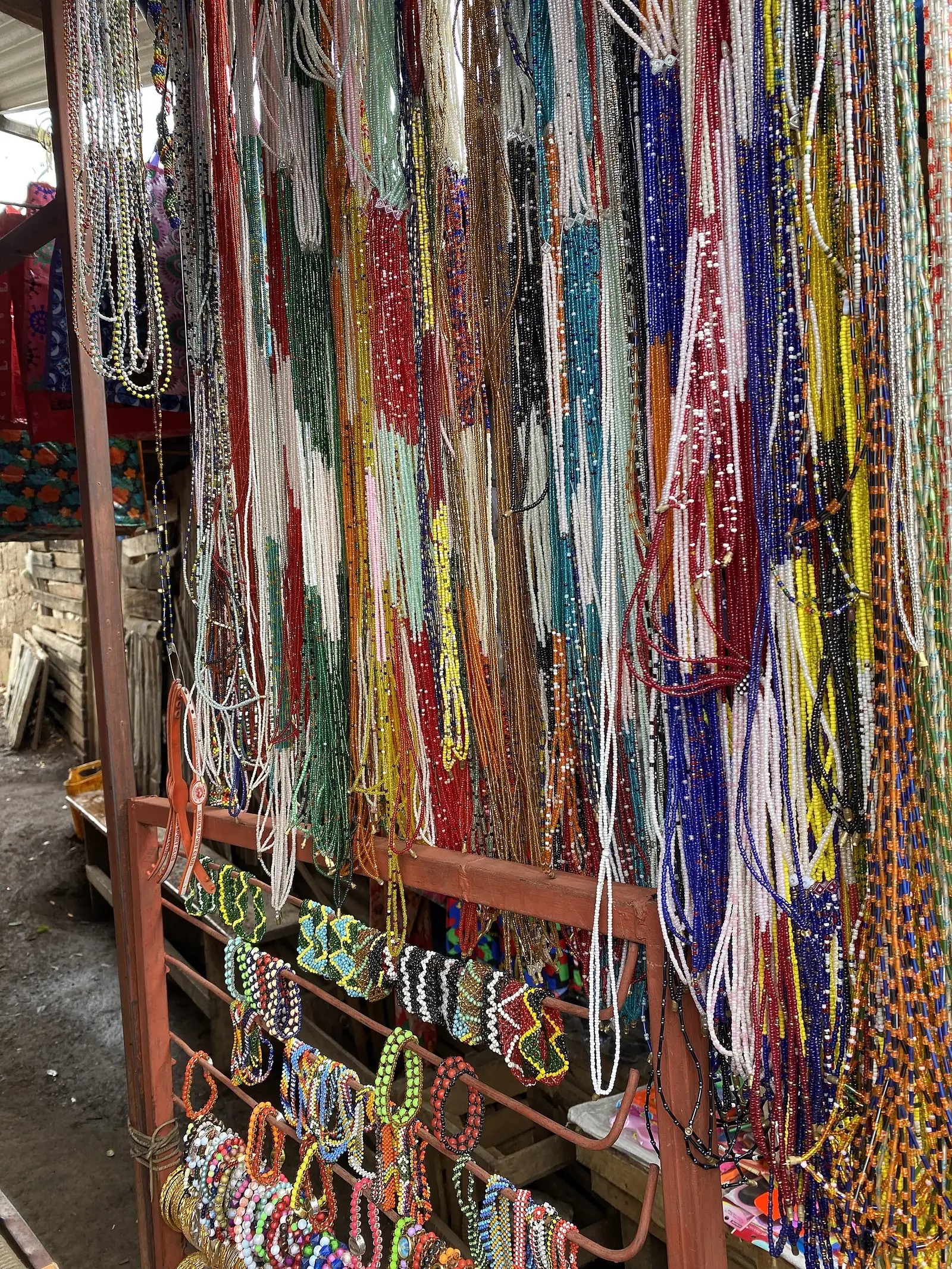
How booth fees, mileage, lodging and unsold inventory show up when a crafter figures profit for the year.
Read more
How a crafter can think about a home studio and the miles driven to fairs, shops and suppliers.
Read more
A plain comparison of TurboTax, H&R Block, FreeTaxUSA, TaxAct and Keeper for people who file a Schedule C.
Read more